The new hockey season has started!
The first training sessions and matches of the new hockey season are already behind us. So, now is a great time to take a closer look at your hockey gear. Is everything still in good condition? And perhaps even more importantly: is your hockey stick ready for another season?
After a full hockey season, your stick may have taken quite a beating. That's why we're sharing a few tips to help you get ready for the 2026 hockey season!
Ready for something new?
We all know the feeling. A new hockey season has started, and of course, you'd love to step onto the pitch with a brand-new hockey stick. But buying a new hockey stick isn't cheap.
And maybe your current hockey stick doesn't need replacing at all. Still, every hockey player wants their stick to feel good on the pitch, especially at the start of a new season.
So, when should you actually replace your hockey stick? And when is simply replacing your grip enough? In this blog, we'll explain how to tell the difference and show you how to give your current hockey stick a fresh feel.
When should you replace your hockey stick?
First of all, your hockey stick shouldn't be too short or too long. If your stick is too short, you'll often notice it in your posture. You may find yourself bending too far forward while playing, which can lead to back discomfort.
As a general rule, a hockey stick should reach approximately your belly button. Do you notice your stick pressing into your stomach while playing? Then there's a good chance your current stick is too long. In that case, choosing a shorter hockey stick may be a better option.
Your hockey stick can also start to look quite worn over time. During training sessions and matches, it goes through a lot. Think of defending, hitting the ball and all the other actions where your stick absorbs impact.
If you give it your all in every match, it's only natural for your hockey stick to show some signs of wear after a season. The more often you play, the more your stick has to endure. Is your stick seriously worn out? Then it might be time to replace it.
Hockey sticks also differ in their materials and carbon content. Over time, the stiffness of your stick may decrease. This doesn't mean that its carbon percentage decreases, but rather that your stick may start to feel less stiff after extensive use.
Depending on how intensively you play hockey, there may come a time when your stick needs replacing. But before you rush out to buy a new hockey stick, it's worth taking a closer look at your grip.
Maybe it's only your hockey grip that needs replacing
Besides your hockey stick itself, your grip can also wear out. You constantly hold your stick while playing hockey, so it's important that your grip continues to feel comfortable and secure.
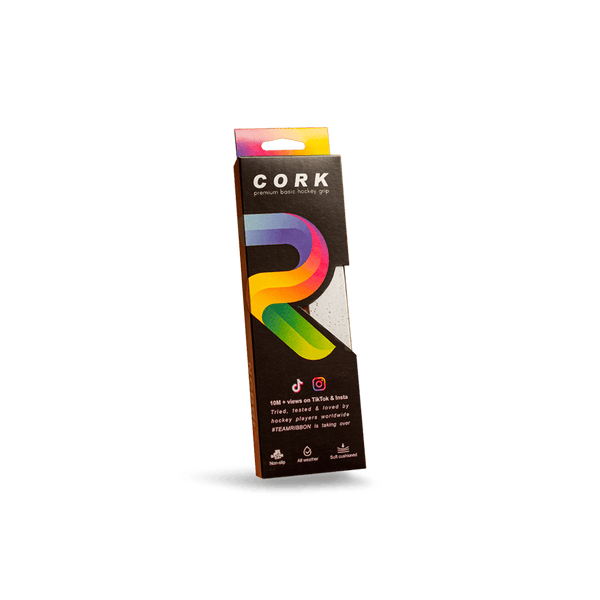
Fortunately, replacing a hockey grip is easy. If the base grip on your hockey stick is worn out, you can replace it with a RIBBON Cork Grip. The Cork Grip wraps directly around the shaft of your hockey stick, taking the place of your old base grip.
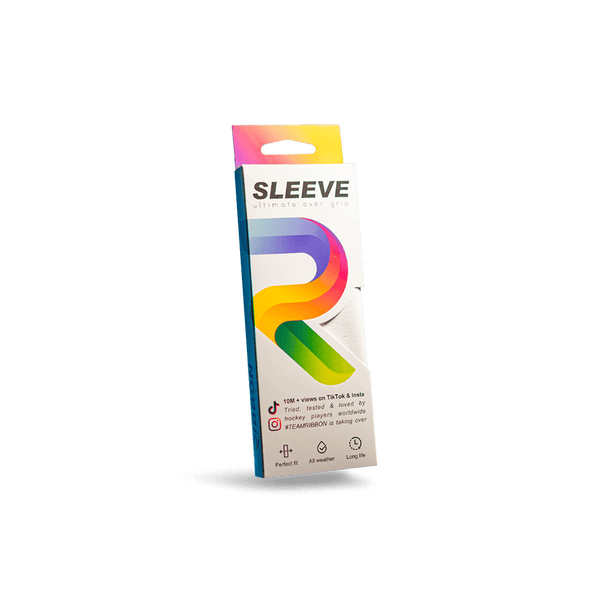
Maybe your base grip is still in great condition, but you've noticed that you'd like a little more grip while playing. In that case, you can use the RIBBON SLEEVE over your existing grip.
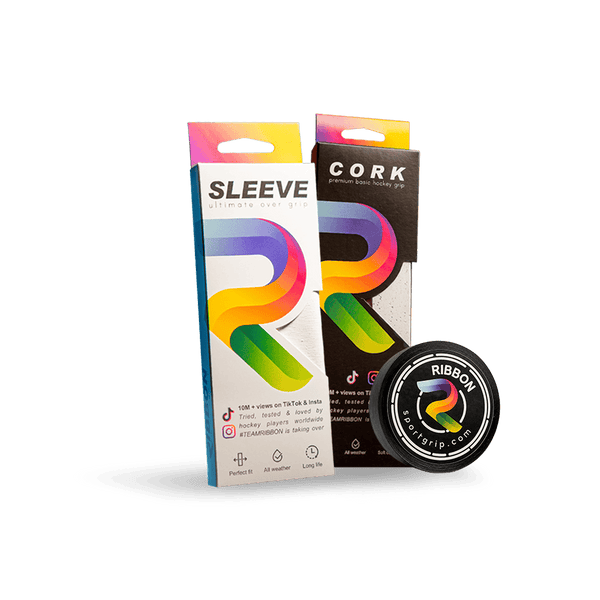
Do you already love playing with a SLEEVE, but your base grip also needs replacing? With the RIBBON Start Kit, you can replace both at once: first, apply the Cork Grip as your new base grip, then add the SLEEVE on top for extra grip.
That way, you don't need to buy a completely new hockey stick to start the season with a fresh feel.
Is your hockey stick ready for the 2026 season? Check your grip or take the Grip Check here.
Get a GRIP on your game!
Team RIBBON Sportgrip wishes you an amazing new hockey season!